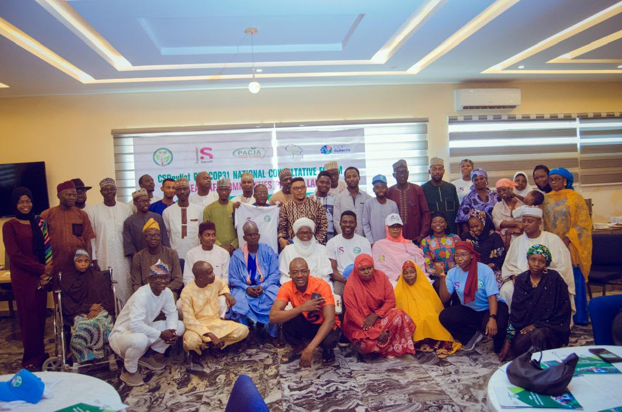
Ahead of COP31 to take place in Turkey, in Nigeria, the Climate & Sustainable Development Network (CSDevNet), held a consultative forum that aimed to develop and share recommendations for the 31st Conference of the Parties (COP31).
Happening in Kano State on October 14, 2026, the forum brought together government institutions, civil society organisations, technical experts, development partners and community representatives to discuss Nigeria’s climate priorities ahead of the 31st United Nations Climate Change Conference (COP31).
The discussions addressed climate adaptation, climate and health, climate finance, and locally-led action, with a focus on ensuring that the perspectives of frontline communities, particularly in Nigeria’s North West, inform national and international climate processes.
The event provided opportunities for government, civil society, technical institutions and communities to explore emerging climate priorities and contribute to Nigeria’s engagement in global climate negotiations.
The forum also saw the launch of the project titled HeatSafe to be implemented in the project. It will be implemented under the support of the Sanofi Foundation Climate Action and Health Resilience Grant Programme.
The project is expected to be executed across five local government Areas in Kano State, namely Gaya, Kumbotso, Dala, Wudil and Tarauni.
With initial activities, namely participatory assessments to identify heat hotspots and vulnerable populations, the project will provide five community vulnerability maps to guide targeted intervention.
Planned for implementation over 24 months, the project will also support primary healthcare preparedness, promote heat-safe schools, and strengthen community heat-alert and referral mechanisms to improve responses to extreme-heat risks.
Kano State experienced an intense and unusually severe heatwave through the dry season and early months of 2026, driven by high temperatures, erratic power supply, and climate shifts.
Early this year, NiMet’s outlook highlighted the likelihood of significant dry spells during the main growing season, especially between June and August. Parts mentioned included Northern and Central Nigeria, where these dry spells were expected to last up to two or three weeks after rainfall has already been established.
Areas that were identified included Bauchi, Borno, Gombe, Jigawa, Kano, Katsina, Kebbi, Niger, Sokoto, Yobe, Zamfara, and parts of Kwara and Nasarawa states as areas at risk of severe dry spells during this period.