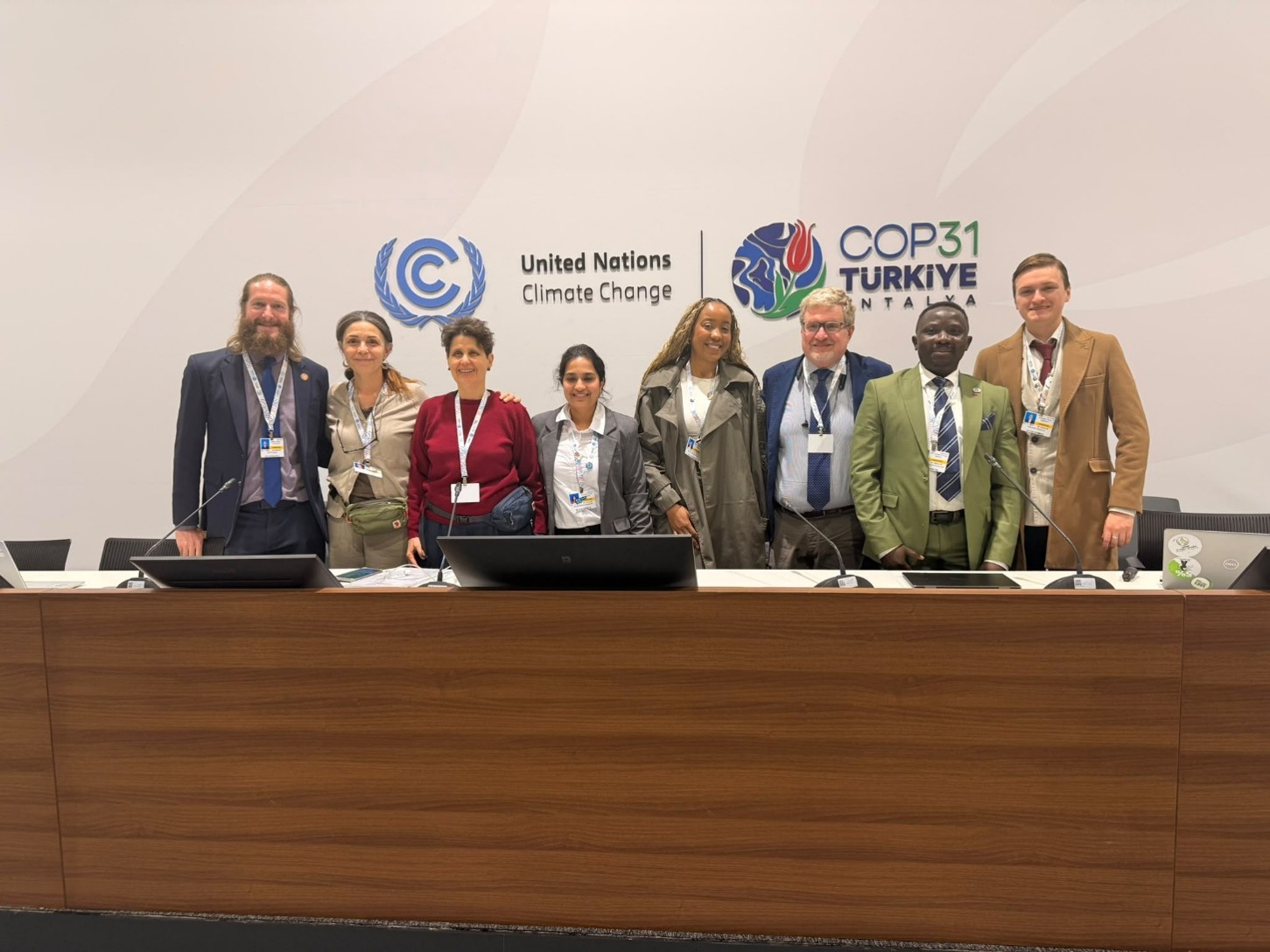
COP31 dedicated November 10 to Energy and Transport, with the conference underway in Antalya, Turkey. In side event rooms, conversations focused on energy security, electrification, grid infrastructure, energy diversification and efficiency, and sustainable development.
It was a day when African civil society organisations coalesced under the Pan African Climate Justice Alliance and actively engaged in conversations that brought together development partners, governments, UNFCCC, COP30 and COP31 presidencies, media, Global South and Global North CSOs.
On this day, RCCRDC, PACJA designated Platform in DR Congo released a declaration demanding 1% Global Tax on mineral-linked products to ensure a just energy transition. Below is the declaration:
RCCRDC declares that no energy transition is just if the communities and countries supplying its minerals remain poor, polluted, excluded from decisions or denied a fair share of value. We reject a global transition that decarbonises consumer markets while transferring environmental damage, unsafe work and social costs to mineral-producing communities.
We demand a universal, legally binding 1 per cent tax on final products linked to critical and transition minerals. This must be a mandatory global obligation, not voluntary corporate responsibility. Its primary purpose must be to establish and sustainably finance the Community Global Fund for Energy Transition, with direct and equitable access for affected communities worldwide.
We demand community decision-making power, not symbolic consultation. The Fund must finance clean energy access, ecosystem restoration, water, health, decent green jobs, local value addition, skills and resilient livelihoods. Governance must guarantee community representation, transparent allocations, independent audits, enforceable safeguards and accessible remedies.
COP31 must act. We demand the launch of a formal international process, with a clear timetable, to define covered products, collection rules, allocation criteria and the Fund’s governance. Governments, industry and finance must accept traceability, due diligence, community consent and fair benefit-sharing as non-negotiable conditions of the global energy transition.
For more information, please contact: Appolinaire K. Zagabe, LL.M., Executive Director and Climate Governance and Policy Lead, RCCRDC
Email: zagabe@rccrdc.org