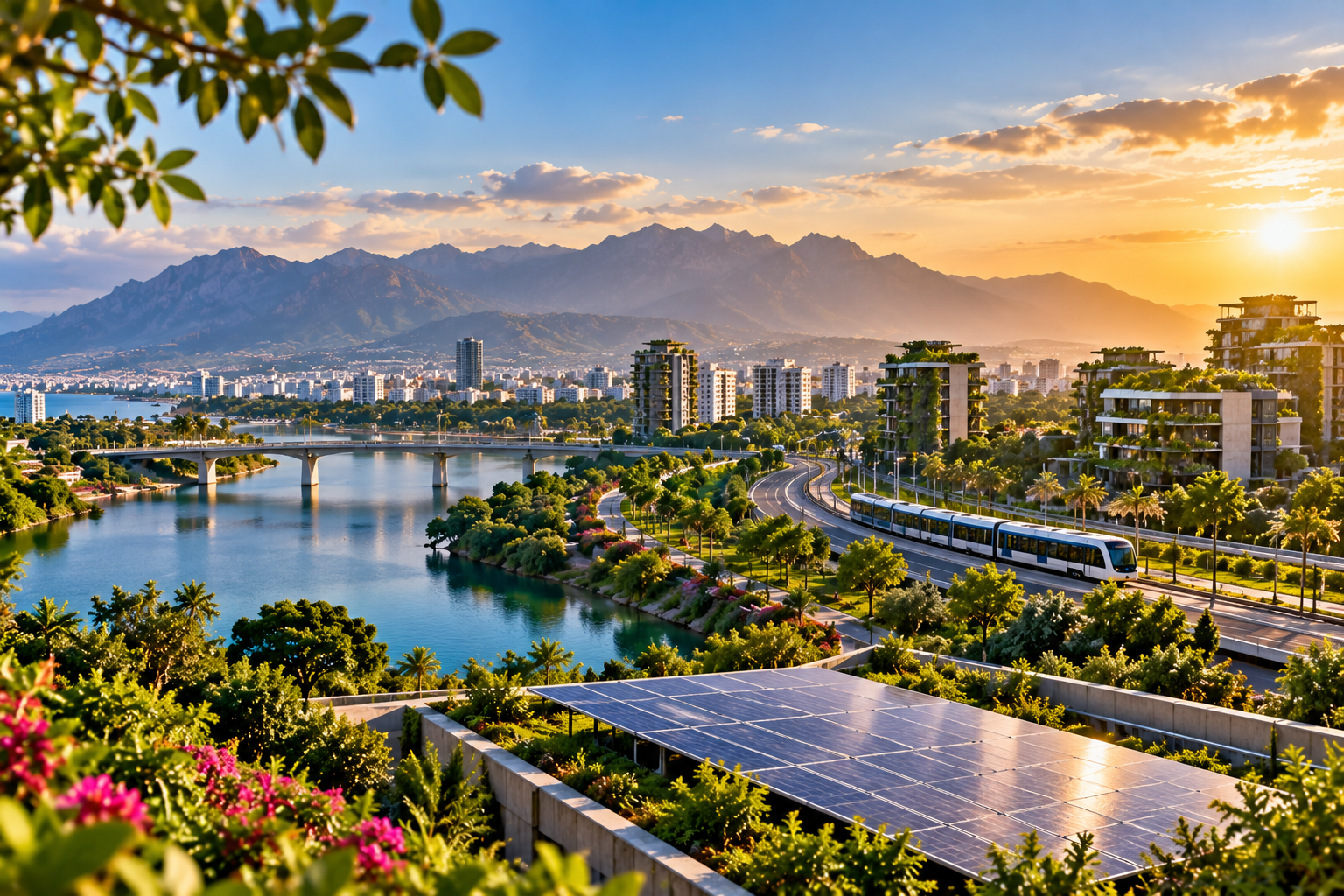
Cities are central to climate action. They concentrate populations, infrastructure, economic activity and essential services, yet face increasing risks from extreme heat, flooding, water scarcity and other climate-related hazards. Building climate-resilient cities requires coordinated planning that reduces emissions while protecting communities and critical infrastructure.
Key priorities include climate-smart urban planning, sustainable public transport, energy-efficient buildings, resilient drainage systems, reliable water supplies, urban green spaces and nature-based solutions. Integrating climate risk into infrastructure investment and development planning can help cities prepare for climate impacts while improving public health and quality of life.
For African cities, rapid urbanisation presents both a challenge and an opportunity. Investments in resilient housing, waste management, clean energy, public transport and early-warning systems can reduce vulnerability and support inclusive urban development. These efforts require accessible climate finance, strong local institutions and meaningful participation by affected communities.
A climate-resilient city is one that protects lives, sustains livelihoods and continues to function under climate stress. COP31 provides an opportunity to strengthen the implementation of practical solutions that make urban areas safer, more sustainable and better prepared for a changing climate.