Climate change is placing growing pressure on food production, agricultural livelihoods and food security. Droughts, floods, changing rainfall patterns, rising temperatures and land degradation threaten crop yields, livestock, fisheries and the livelihoods of millions of people.
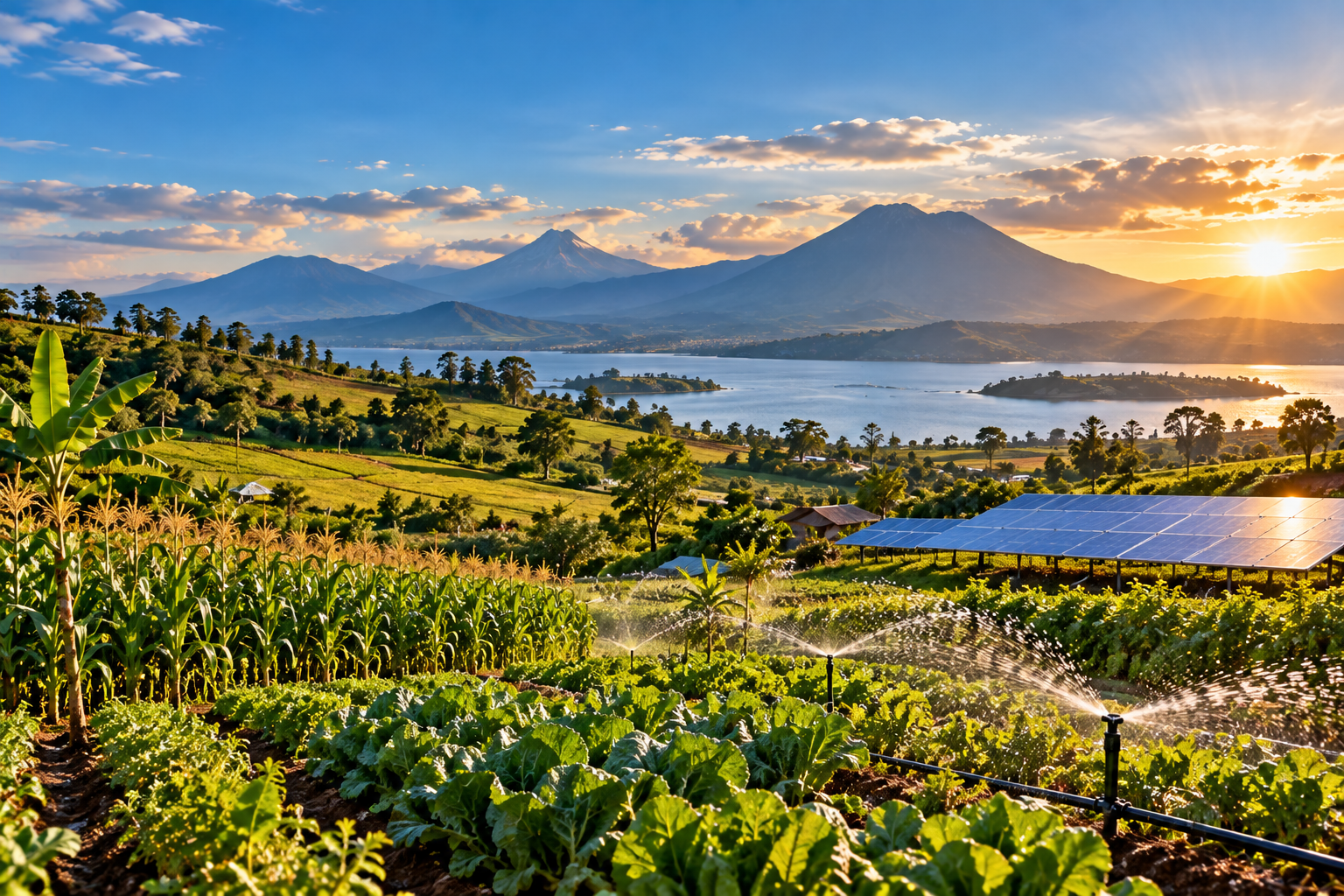
Strengthening food security requires climate-resilient agriculture, sustainable land management, efficient water use, diversified food systems and investment in agricultural research and innovation. Supporting farmers to adopt climate-smart practices can help protect harvests, conserve natural resources and strengthen resilience to climate-related shocks.
For Africa, this priority is particularly urgent. Many communities depend on rain-fed agriculture, making food production highly vulnerable to unpredictable weather and prolonged droughts. Expanding access to climate information, resilient seeds, irrigation, agricultural technology, storage facilities and affordable climate finance can help smallholder farmers adapt while improving productivity and rural livelihoods.
Climate action must also address the links between food systems, biodiversity, soil health, water resources and sustainable development. Policies should support local food producers, protect vulnerable communities and ensure that adaptation resources reach those most exposed to climate risks.
Food security is a climate justice issue. Building resilient food systems means protecting livelihoods, reducing vulnerability and ensuring that everyone has access to sufficient, safe and nutritious food in a changing climate.