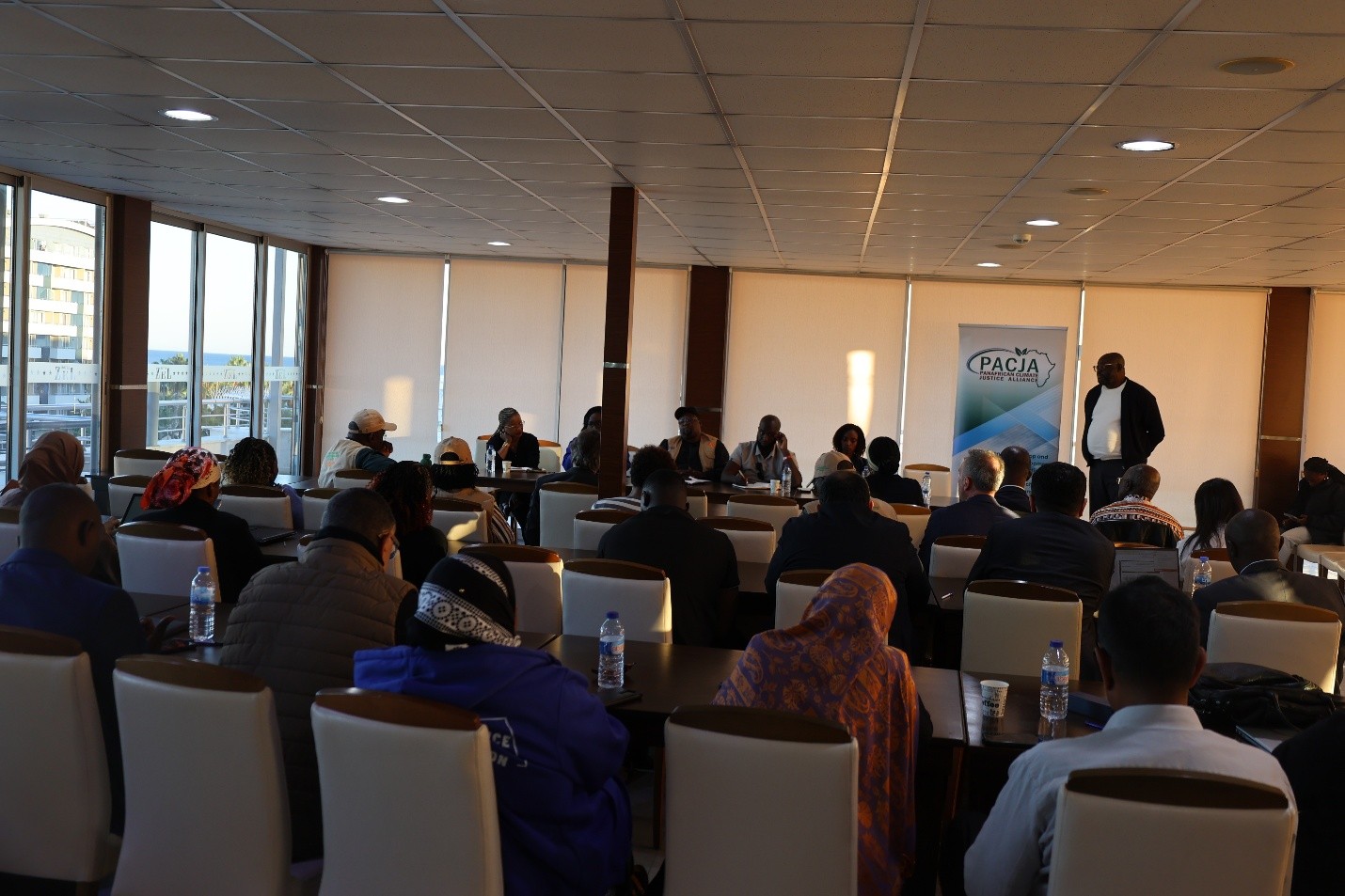
Antalya, Turkey- November 8, 2026: The African civil society organisations were called to join hands with African negotiators in documenting the unmet needs, track finance reaching local communities, and demonstrate approaches that deliver results.
The call was shared through the statement delivered by the Chair of the African Group of Negotiators (AGN), Nana Dr Antwi-Boasiako Amoah, represented by Dr George Manful, the Senior Advisor to AGN, at the one-day pre-COP31 convened by African non-state actors under the leadership of the Pan African Climate Justice Alliance (PACJA).
Held in Antalya, Turkey, the convening brought together African CSOs, partners and Pan African Institution to provide a platform through which African non-state actors and other actors from Pan-African institutions will reflect on our common Africa position for COP31.
The African civil society organisations and other pan-African institutions stressed the critical need to translate the outcomes of COP30 held in Belém last year into tangible action, emphasising that Africa cannot continue to bear the disproportionate cost of a climate crisis it did not create.
Recently, the group released a position for COP31 entitled: From Belém to Antalya: Delivering Climate Justice, Protecting Africa’s Development Space and Financing Africa’s Transformation.”
In the position, they outlined priorities for COP31 and called for predictable, accessible and predominantly grant-based climate Finance; increased adaptation funding; an equitable and African-led just energy transition; and stronger support for addressing loss and Damage.
Touching on the role of African CSOs in advancing advocacy for climate action agenda, Dr Nana Antwi-Boasiako Amoah, Chair of the African Group of Negotiators, called on African Non-State Actors to play a critical role as the hold hold community experience and evidences that can strengthen Africa’s negotiating case.
“I invite you to work closely with our teams to document unmet needs, track finance reaching local communities and demonstrate approaches that deliver results”, Nana Dr Antwi-Boasiako called on African CSOs.
African non-state actors collectively worked together in shaping priorities for COP31 that largely connect with Delivering Climate Justice, Protecting Africa’s Development Space and Financing Africa’s Transformation.
Rev. Dr Lesmore Ezekiel, the Director of Programmes at the All Africa Conference of Churches (AACC), insisted that COP should not be just an event but an ongoing process, acknowledging the long history of climate negotiations and the need for outcomes that resonate with current and future generations.
“There are challenges that all of us need to address, namely building resilience, securing necessary resources, technology, capacity and finance, and developing effective mitigation strategies”, stressed Rev Dr Lesmore.
While Africa Non State Actors discuss Climate Finance Accessibility ahead of COP31, it is worth to noting that the African Development Bank (AfDB) estimates that Africa requires between $2.6 trillion and $2.8 trillion through 2030 to implement its climate commitments under Nationally Determined Contributions (NDCs).
Prof Anthony Nyong, Director, Climate Change and Green Growth, African Development Bank, in his remarks delivered by Ms Davinah Milenge Uwella, Chief Programme Coordinator at African Development Bank Group, ensured that the African Development Bank stands ready to work with governments, sub-national governments, civil society, the private sector and our partners, to move from ambition to investment, from commitments to implementation, and from vulnerability to a resilient, green and prosperous Africa.
Reminding of the role of African non-state actors, Dr Mithika Mwenda reiterated that it is time to remind parties that RECORPthe world continues advancing towards irreparable damage to our life support systems; hence, “COP31 must define clear pathways towards translating commitments to tangible climate action, and this must be felt at the grassroots by the last mile communities.”